
Luciana Kristanto,1,* Sri Nastiti N. Ekasiwi,2 Asri Dinapradipta2
Author affiliations
1 Architecture Department, Petra Christian University, Surabaya, East Java, 60236, Indonesia
2 Architecture Department, Institut Teknologi Sepuluh Nopember, Surabaya, East Java, 60111, Indonesia
*Corresponding author.
lucky@petra.ac.id (L. Kristanto)
nastiti@arch.its.ac.id (S. N. N. Ekasiwi)
asdina_p@arch.its.ac.id (A. Dinapradipta)
History: Received 4 December 2025 | Revised 9 February 2026 | Accepted 13 March 2026 | Published online 20 April 2026
2383-8701/© 2026 The Author(s). Published by solarlits.com. This is an open access article distributed under the terms and conditions of the Creative Commons Attribution 4.0 License.
Citation: Luciana Kristanto, Sri Nastiti N. Ekasiwi, Asri Dinapradipta, Biotic Shading for Better Light Environment, Journal of Daylighting, 13:1 (2026) 214-226. doi: 10.15627/jd.2026.12
Abstract
Tropical climates with partially cloudy skies are characterized by high luminance on the glass façades of high-rise buildings, which is a significant challenge as it causes glare and eyestrain among workers. As urban green spaces continue to decline and sustainable development becomes increasingly urgent, architects have responded by designing vertical buildings with vegetation integrated into façades. Therefore, this study aimed to develop an implementation strategy for glare mitigation using a biotic façade to enhance visual comfort for office workers in high-rise buildings. An experimental method was adopted using a controlled cubical office space outfitted with vegetation as shading, specifically Vernonia elliptica, applied in two foliage densities represented by Leaf Area Index (LAI) values. These conditions were then compared to a baseline façade without vegetation. The results indicated that LAI 1,5 offered sufficient illuminance (Daylight Factor/DF of 6,2%), reduced glass luminance by up to 56,1%, achieved a Daylight Glare Index (DGI) of 21,67, and led to Glare Sensation Vote (GSV) ratings “perceptible”. This study affirmed that biotic façades offered distinct advantages as glare mitigation devices. Foliage density could also be adjusted according to daylight needs while enhancing Interest Value (IV) through green leaf coloration, foliage patterns and its movement, where the benefits were not found in artificial solutions.
Keywords
sustainable high-rise buildings, vegetated-shading, visual comfort in office spaces, vertical greenery system
Nomenclature
| DGI | Daylight Glare Index |
| DGI’ | Daylight Glare Index contains interest value |
| GSV | Glare Sensation Vote |
| IV | Interest Value |
| LAI | Leaf Area Index |
1. Introduction
The abundance of natural daylight in tropical climates reaching up to 100,000 lux and lasting for extended durations [1,2] is offering significant potential for use in high-rise buildings, supporting energy savings in the era of sustainable development. Natural lighting can further facilitate office activities requiring adequate illumination, alongside results that daylight has substantial psycho-physical impacts on office users' health and psychological well-being [3].
Due to the predominance of glass openings on high-rise building façades [4], the use of natural light is inevitably accompanied by solar radiation penetration which introduces heat and causes visual discomfort in the form of glare [5,6,7]. Luminance levels exceeding 10,000 cd/m² lead to direct glare when occupants face the high brightness of glass façades [8,9,10]. Uncontrolled daylight exceeding 500 lux can also lead to excessive brightness on work surfaces with computer screens [11]. Furthermore, indoor illuminance may reach over 1,500 lux with a Window-to-Wall Ratio (WWR) exceeding 60% which is surpassing the recommended office lighting levels with Daylight Factor (DF) 2%-5% or 300-500 lux [12,13] contributing to visual discomfort [5,6,7,14].
Therefore, the role of natural lighting in tropical office buildings is to achieve sufficient daylighting and also control the quality of light entering the space. A balance is required between glare control, adequate illumination for visual tasks, and access to natural views to support visual comfort [7,10]. Various glare control strategies have been designed to enhance visual comfort. These include electrochromic glass with VT technology [15,16,17], perforated metal sheets [18,19], venetian blinds [7, 20], louvers [21] and combinations of glass and roller blinds [4]. Although these solutions can mitigate glare, the results do not fully address the human need for connection with nature in high-rise buildings, as trees typically reach only 15–20 meters in height, equivalent to 3–4 floors.
A study of perception regarding shading by artificial shadings (horizontal blind, perforated metal) and Vernonia as biotic shading with photo images shown an advantageous of the biotic in visual and thermal comfort compared to the artificial ones [22,23].
On the other hand, it was asserted that connection with natural elements reduced stress levels, increased health, and raised performance, particularly in office environments where eye fatigue was prevalent [16,24,25,26]. It was also affirmed that glare diminished when users have direct access, increasing the interest to natural views [10]. The diversity of tropical plant species both perennial (e.g., Piperaceae, Hedera helix/English ivy) and deciduous (e.g., Parthenocissus tricuspidata/Boston ivy) offers numerous possibilities for façade integration [27,28,29].
As the design of plant-based façades by architects worldwide on opaque surfaces [28,30] continues to evolve and covering glazed façade openings, this study presents a novel and critical research gap in the potential of biotic façades as glare mitigation strategies. Specifically, how vegetation on façades reduces glare while maintaining adequate daylight levels and providing natural views for office workers in high-rise buildings. A preliminary study regarding common kinds of artificial shading devices in geometry and mechanisms compared to plants has been done, showing that the leaf area as plant-geometry can be arranged to find a well-balanced solution for light environment [27,31]. This study aimed to find how different leaf area index of plants reduced high luminance on glass façade, illuminance at the working plane, and how office users perceived the quantity of light as well as the beauty of the view seen as a qualitative aspect. It is a continuation of previous analysis regarding the correlation between Leaf Area Index (LAI) to shading factor and luminance index that uses a model box [31], as well as how leaf performs in a real room with office users as respondents.
2. Material and methods
This study was conducted over 2 months, from September to October 2023. It took place at the East Campus of Petra Christian University, located in Siwalankerto subdistrict, Wonocolo district, Surabaya, East Java, at coordinates 7˚ 14’ 57” S and 112˚ 45’ 3” E. The experiment used a cubicle situated on the 7th floor, at an elevation of 23,76 meters from the ground level (+/-0.00), with a window-to-wall ratio (WWR) of 50% facing east. The setting represented a single-occupant workspace, measuring 2 m × 4 m with a height of 3,45 m. Surface reflectance values were 50% for the walls, 80% for the ceiling, and 20% for the floor. The only furnishings present at the measurement point were a chair with arm-table. Cubicle layout and elevation were illustrated in Figure 1.
Figure 1
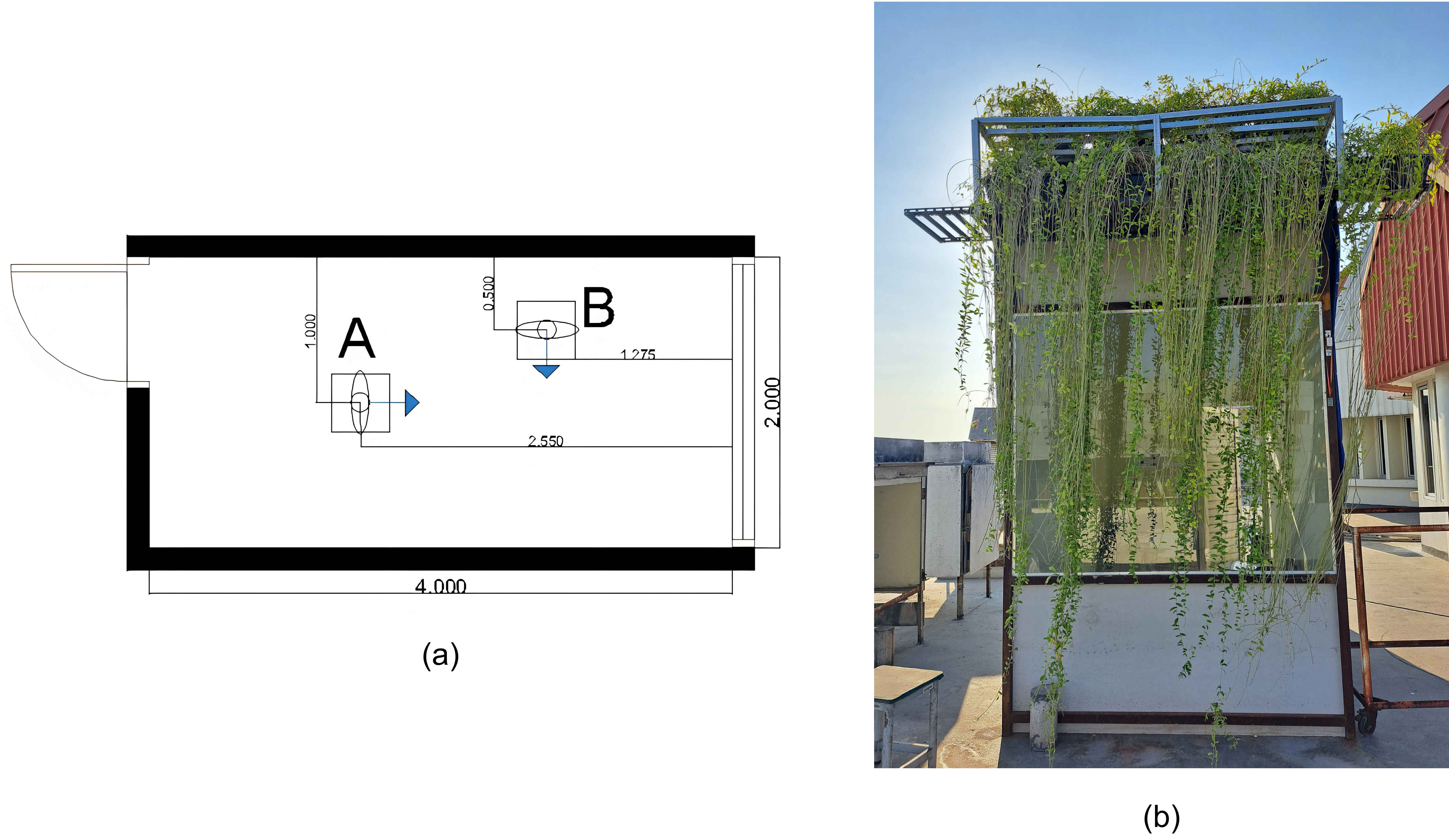
Fig. 1. (a) Layout and (b) Elevation of the cubicle.
Vernonia elliptica plant, as local species that grows well in this climate was used. The primary reasons for selecting the plant species were the perennial nature, the requirement for direct sunlight, and the minimal water needs [32]. It was cultivated in a hanging manner, leading to dense foliage at the top and sparser growth at the bottom, which was an ideal configuration for filtering the brightness of upper glass façade [8]. Additional considerations included the small leaf size, which did not impose structural load on the building, and the attractive yellowish-green color that served as a refreshing and uplifting visual element for occupants. Figure 2 further showed the specification of the Vernonia elliptica plant.
Figure 2
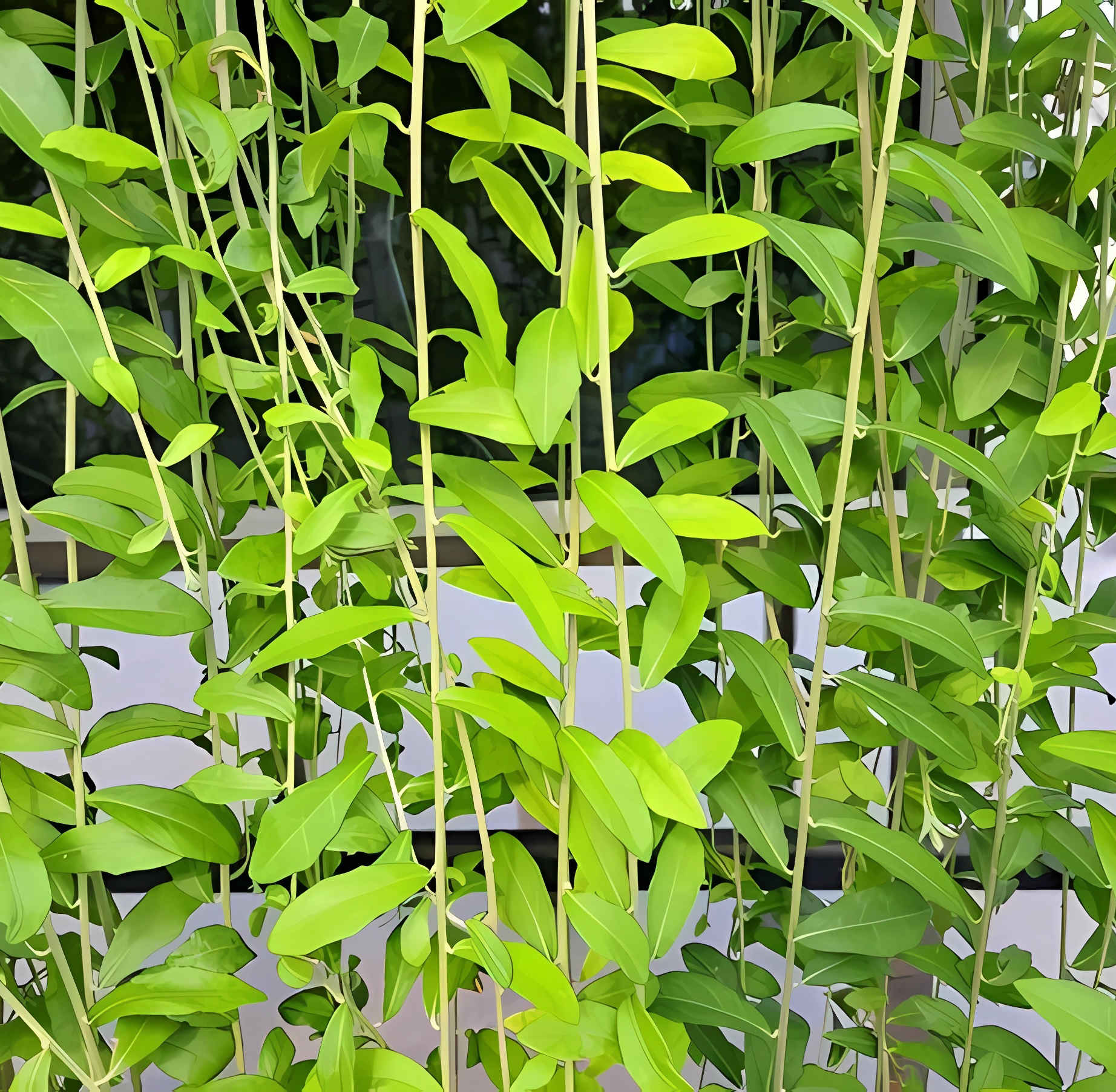
Fig. 2. Vernonia elliptica.
Previous publication showed that foliage thickness influenced illuminance and luminance when LAI was doubled [31]. In this experiment, Vernonia with LAI 0,75 and 1,5 was applied.
Family: Asteraceae, Latin name: Vernonia elliptica/eleagnifolia, Common name: Curtain creeper, Foliage retention/life-cycle: Perennial; 3 years, Average leaf dimension: 15 mm x 35mm, Average leaf spacing: 20 mm, Leaf Munsell color: 2.5 GY 5/6 to 2.5 GY 8/10 Munsell Color [33].
Measurements were conducted in the morning, specifically 8-10am to represent direct light conditions (low solar angle) and in the afternoon 2-4pm to represent diffuse light conditions (high solar angle). A total of 32 respondents participated, meeting the minimum requirement of 30 for quantitative literature to ensure statistical analysis showed an approximate normal distribution [34,35]. Respondents represented 25% of the office worker population in the studied building, which consisted of 128 individuals. The average age was 42 years, with 65,5% aged between 30–50 years, 22% under 30 years, and 12,5% over 55 years. Occupations included lecturers (53%) and administrative staff (22%), with a disciplinary composition of 75:25 between exact sciences and non-exact sciences. The remaining 25% comprised laboratory technicians, external staff, and students.
The data collected were both objective and subjective measurements. Objective data were obtained using measuring instruments and included (1) luminance of the glare source/glass façade (Ls), (2) task area luminance, (3) background luminance, referring to the luminance of interior surfaces visible to the observer (Lb), (4) outdoor-indoor illuminance to calculate daylight factor/DF. The observer’s position according to common position of office worker which is facing and beside the window [36] at the measurement point following previous research [3,37] the facing was 0,43 sr while beside the window position was 1,48 sr.
Subjective perceptual data were collected through questionnaires. Brightness sensation was assessed in lux and Likert scale scores, ranging from 1 = too dark to 5 = too bright.
Glare sensation (Glare Sensation Vote/GSV) was evaluated by measuring window luminance (in ) and scoring from 1 = imperceptible to 5 = intolerable. View perception (aesthetic quality) was rated as very beautiful, beautiful, neutral, or not beautiful, with identification of aesthetic elements, while view openness was scored from 1 = very obstructed to 5 = very open.
The instruments used in this study included the Hobo Data Logger U12-012 and Hioki luxmeter for indoor illuminance, Hobo Pendant for outdoor illuminance, and Konica LS-150 luminance meter for measuring luminance on glass surfaces, task areas, and background surfaces (floor and walls). The instruments are calibrated according to industry standards.
Questionnaires for collecting respondents' opinions and four-direction Landolt C rings were used to assess visual task performance in terms of speed and accuracy.
Data analysis included variation analysis using standard deviation and repeated measures Analysis of Variance (ANOVA) [38]. Descriptive analysis was conducted to examine the relationship between the independent variables (without vegetation, LAI 0,75 as variant I, and LAI 1,5 as variant II) and the dependent variables (Daylight Factor/DF, Daylight Glare Index/DGI, Glare Sensation Vote/GSV, and Interest Value/IV). The influence of solar position—representing direct and diffuse light conditions—on the dependent variables (DF, DGI, GSV, IV) was also analyzed. Validation of visual task performance in terms of speed and accuracy was carried out using the Landolt Ring C test. This test is used to measure the speed and accuracy of respondents' visual responses. It is a standardized method for vision testing in accordance with EN/ISO 8596 [39]. This type of vision test was selected for its simplicity, involving only a single character shape (a C-shaped ring) with 4 or 8 directional variations, thereby minimizing the influence of letter shape recognition on visual perception [40].
The questionnaire structure
The questionnaire was developed to get subjective perception of visual comfort aspects and constructed as shown at Table 1.
Table 1
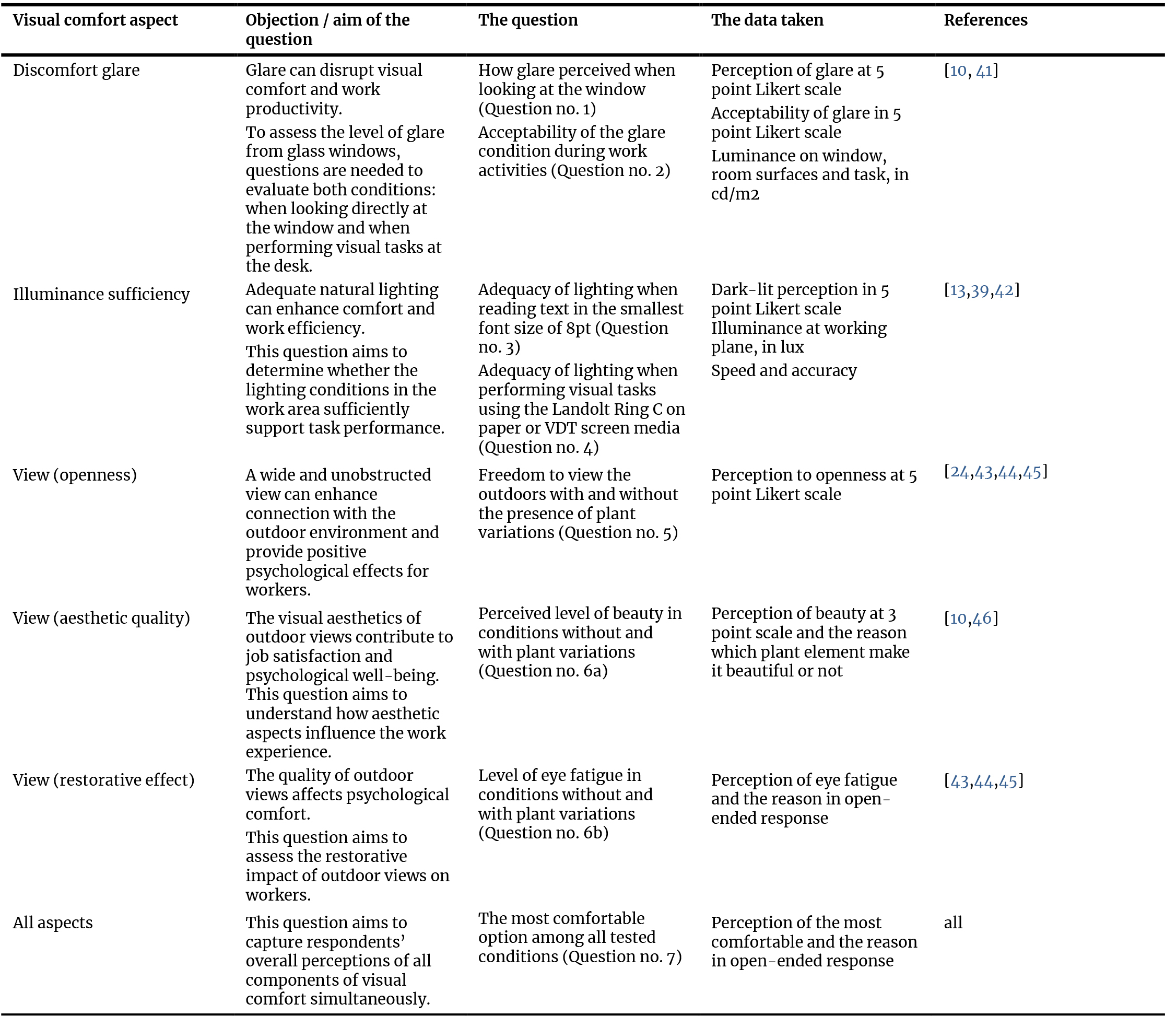
Table 1. Questionnaire construction.
3. Results
3.1. Illuminance in working plane and lit-dark sensation
Data collection was conducted under two lighting conditions, namely in the morning to represent direct sunlight and in the afternoon to signify diffuse light. Under direct sunlight conditions, the average outdoor illuminance without vegetation was 49220,18 lux. During the measurement of variant I (LAI 0,75), the average outdoor illuminance was 31143,68 lux, while for variant II (LAI 1,5), it was 35401,13 lux. Under diffuse light conditions, the average outdoor illuminance without vegetation was 11897,42 lux. During the measurement of variant I, the average outdoor illuminance was 7411,48 lux, while for variant II, it was 8187,65 lux.
As shown in Table 2, a reduction in illuminance of up to 50% was observed at beside the-window position under direct sunlight conditions leading to an improvement from the Too Bright condition—recorded in Without vegetation scenario (DF = 31,4%) and Variant I with LAI 0,75 (DF = 26,7%)—to a Bright condition in Variant II with LAI 1,5 (DF = 13,3%). Similarly, a 30% reduction in illuminance was recorded at the window-facing position, shifting lighting condition from Bright in Without vegetation (DF = 9,1%) and Variant I with LAI 0,75 (DF = 9,7%) to Comfort in Variant II with LAI 1,5 (DF = 6,2%). Although there was an increase in DF in Variant I with LAI 0,75 recorded at 18,2% (side-window position) and 10,8% (window-facing position)—compared to Without vegetation condition (DF = 15,4% and 8,2%, respectively) under diffuse light conditions, respondents still perceived lighting as Comfort.
Table 2
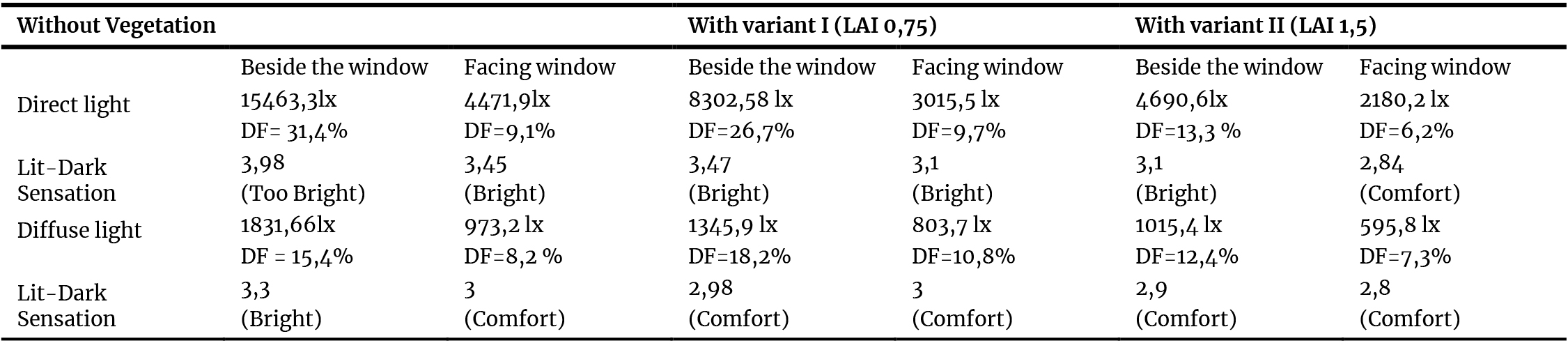
Table 2. Illuminance (in lux and Daylight Factor) and Lit-dark sensation.
3.2. Luminance (in cd/m2), daylight glare index, and glare sensation vote
According to Table 3, luminance was reduced by 35.3% with Variant I (LAI 0,75) and by 54.3% with Variant II (LAI 1,5) under direct lighting conditions with a side-window orientation, compared to the condition without plants. Variant I decreased DGI by 2,9 points (from 25,8 to 22,9), while Variant II reduced it by 4 points (from 28,2 to 24,2). GSV improved from “Uncomfortable” to “Just Uncomfortable” (LAI 0,75) and to “Just Acceptable” (LAI 1,5). For the window-facing orientation, luminance was reduced by 53,6% (LAI 0,75) and 56,1% (LAI 1,5). Variant I lowered DGI by 3,9 points (from 25,6 to 21,7), while Variant II reduced it by 4,4 points (from 26,1 to 21,67). GSV also showed improvement, shifting from “Just Uncomfortable” to “Acceptable” (LAI 0,75) and “Perceptible” (LAI 1,5).
Table 3
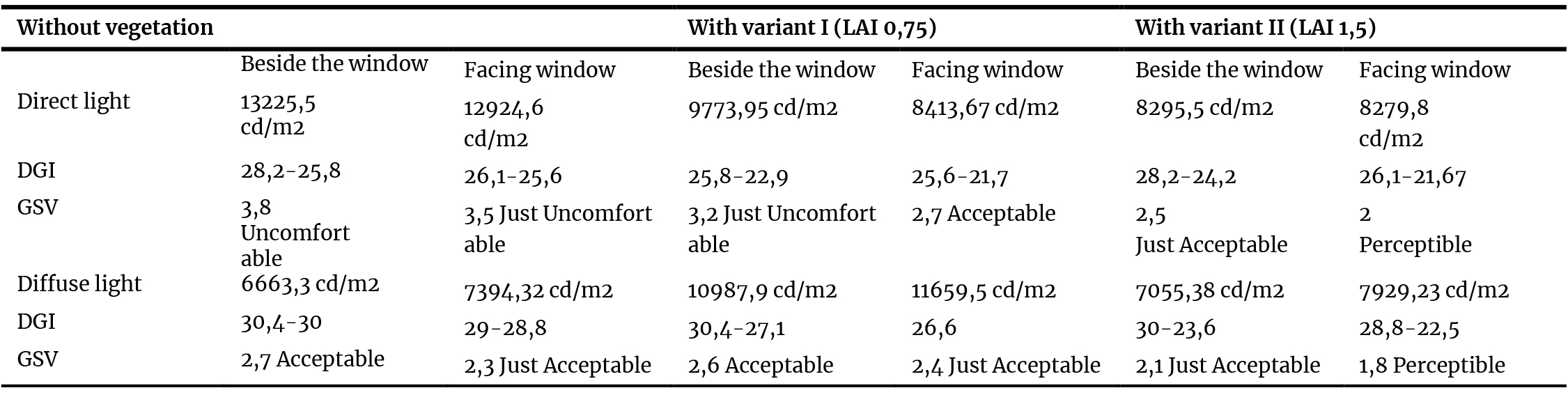
Table 3. Luminance (in cd/m2), direct glare index (DGI) and glare sensation vote (GSV).
Although Variant I with LAI 0,75 led to a luminance increase of 64,9% (side-window position) and 57,7% (window-facing position) compared to the condition without plants under diffuse lighting conditions, GSV remained in the range of “Acceptable and Just Acceptable”. Variant I reduced DGI by 3,3 points—from 30,4 to 27,1 (side-window position). For the window-facing position, DGI decreased by 2,3 points (from 28,9 to 26,6). Although luminance also increased by 5,9% (side-window position) and 7,2% (window-facing position) compared to the condition without plants for Variant II with LAI 1,5, GSV improved to “Just acceptable” (side-window position) and “Perceptible” (window-facing position). Variant II reduced DGI by 6,4 points—from 30,0 to 23,6 (side-window position) and for the window-facing position, DGI decreased by 6,3 points (from 28,8 to 22,5). These results indicated that Variant II with LAI 1,5 provided the best outcomes, both objectively based on measurements and calculations, as well as subjectively through user perception. Significantly, respondents’ evaluations continued to improve despite the increase in window luminance. It is asserted that DGI value in the range of 20–22 was considered comfortable [47,48].
3.3. Perception to view consisting of perception to openness and perception to beauty
3.3.1. Perception to openness
According to Table 4, the condition without plants provided a view perception ranging from “Open” (under diffuse lighting) to “Very Open” (under direct lighting). The condition with Plant Variant I offered a view perception ranging from “Comfort” (under diffuse lighting) to “Open” (under direct lighting). Meanwhile, the condition with Plant Variant II provided a “Comfort” view perception under both diffuse and direct lighting conditions. In terms of visual openness, a more sparse distribution (as in Variant I) tended to create a perception of openness. In terms of aesthetic quality, the effect was relatively subjective and varied among individuals. Based on respondents’ feedback, the plant façade was generally expected to reduce glare. In this light, Variant II with the denser and more evenly distributed foliage was more preferred.
Table 4

Table 4. Perception to openness.
3.3.2. Perception of beauty and interest value (IV)
3.3.2.1. Variant I LAI 0,75
For direct light positioned beside the window, the opening condition with a view as shown in Figure 3(a) was perceived as neutral by 48% of respondents, very beautiful by 32%, beautiful by 10%, and not beautiful by 10% respondents. In respect to diffuse light beside the window as shown in Figure 3(b), the condition featuring plant variant I provided a neutral view for 41% of respondents, very beautiful for 34%, beautiful for 6%, and not beautiful for 19%.
Figure 3
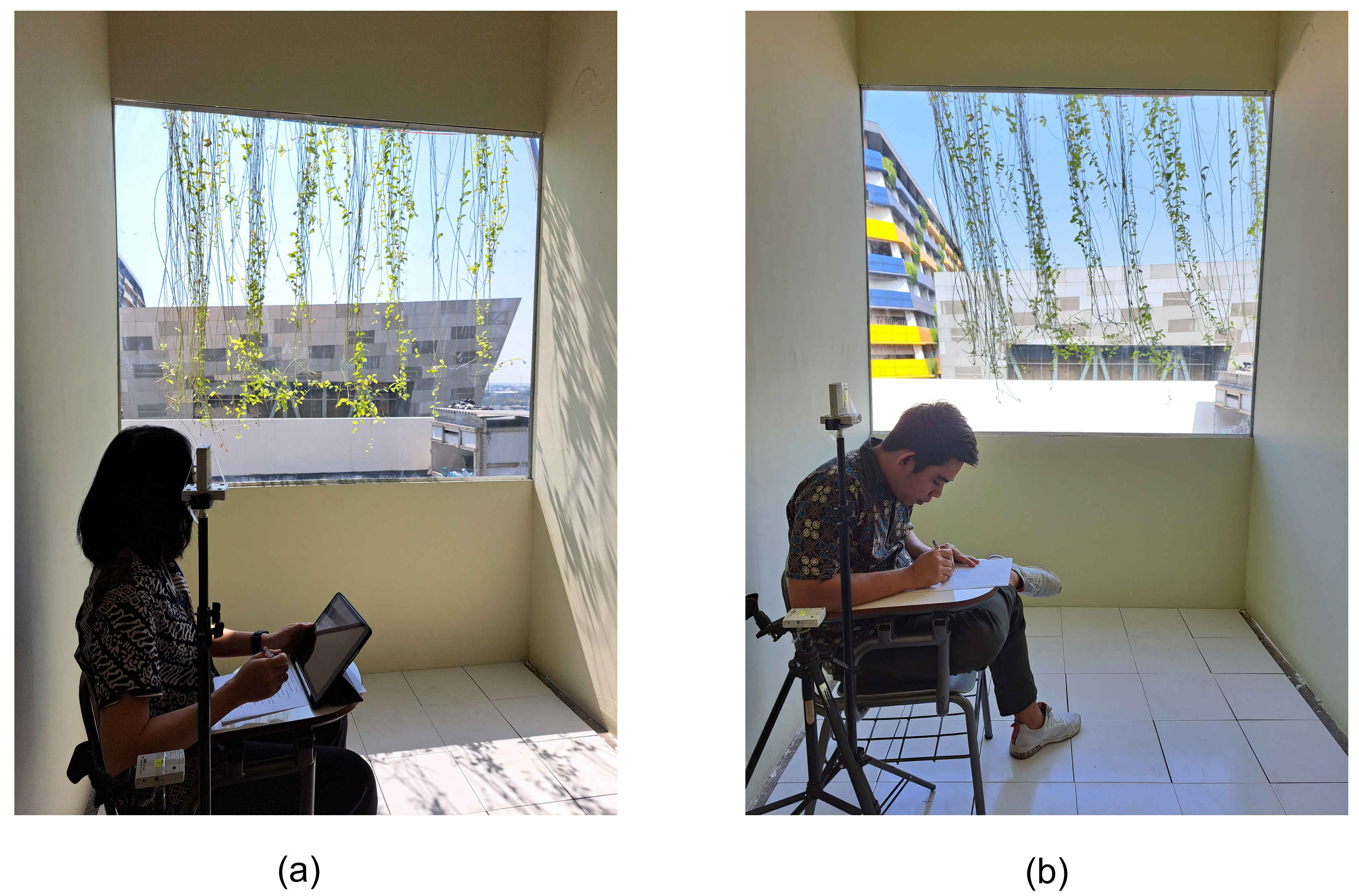
Fig. 3. Variant I LAI 0,75 beside the window. (a) = direct light. (b) = diffuse light.
In Figure 4(a), the view featuring plant variant I was perceived as very beautiful by 39% of respondents, neutral by 39%, beautiful by 13%, and not beautiful by 9% under direct lighting conditions with a window-facing orientation. In Figure 4(b), the view featuring plant variant I was considered beautiful to very beautiful by 41% of respondents, neutral by 41%, beautiful by 6%, and not beautiful by 12% under diffuse lighting conditions with the same window-facing orientation.
Figure 4
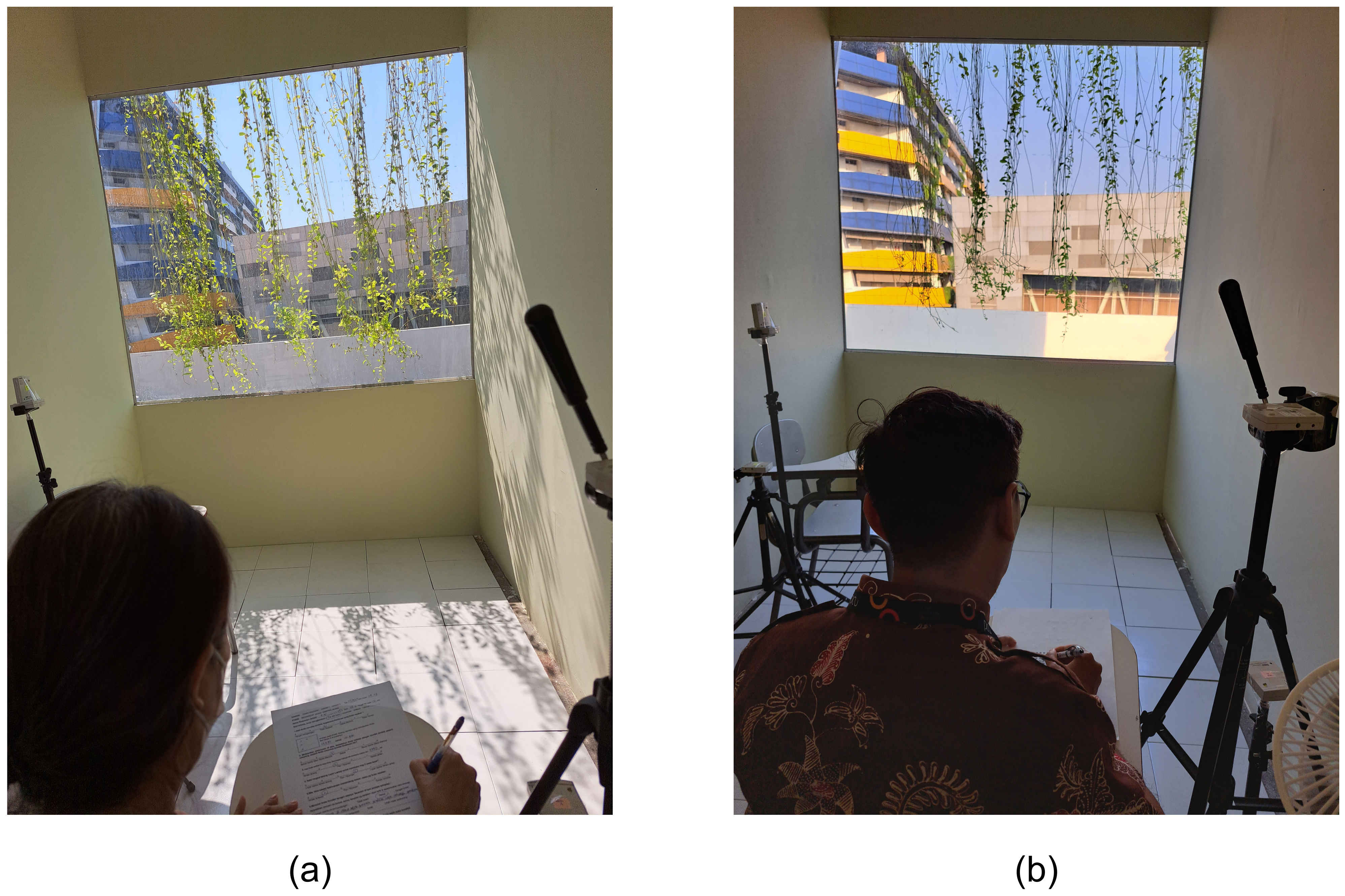
Fig. 4. Variant I LAI 0,75 facing the window. (a)= direct light. (b) = diffuse light.
3.3.2.2. Variant II LAI 1.5
Figure 5 (a) showed that the view featuring plant variant II was perceived as very beautiful by 60% of respondents, beautiful by 9%, neutral by 28%, and not beautiful by 3% under direct lighting conditions with a side-window orientation. From Figure 5(b), the view featuring plant variant II was considered very beautiful by 53% of respondents, beautiful by 6%, neutral by 35%, and not beautiful by 6% under diffuse lighting conditions with the same side-window orientation.
Figure 5
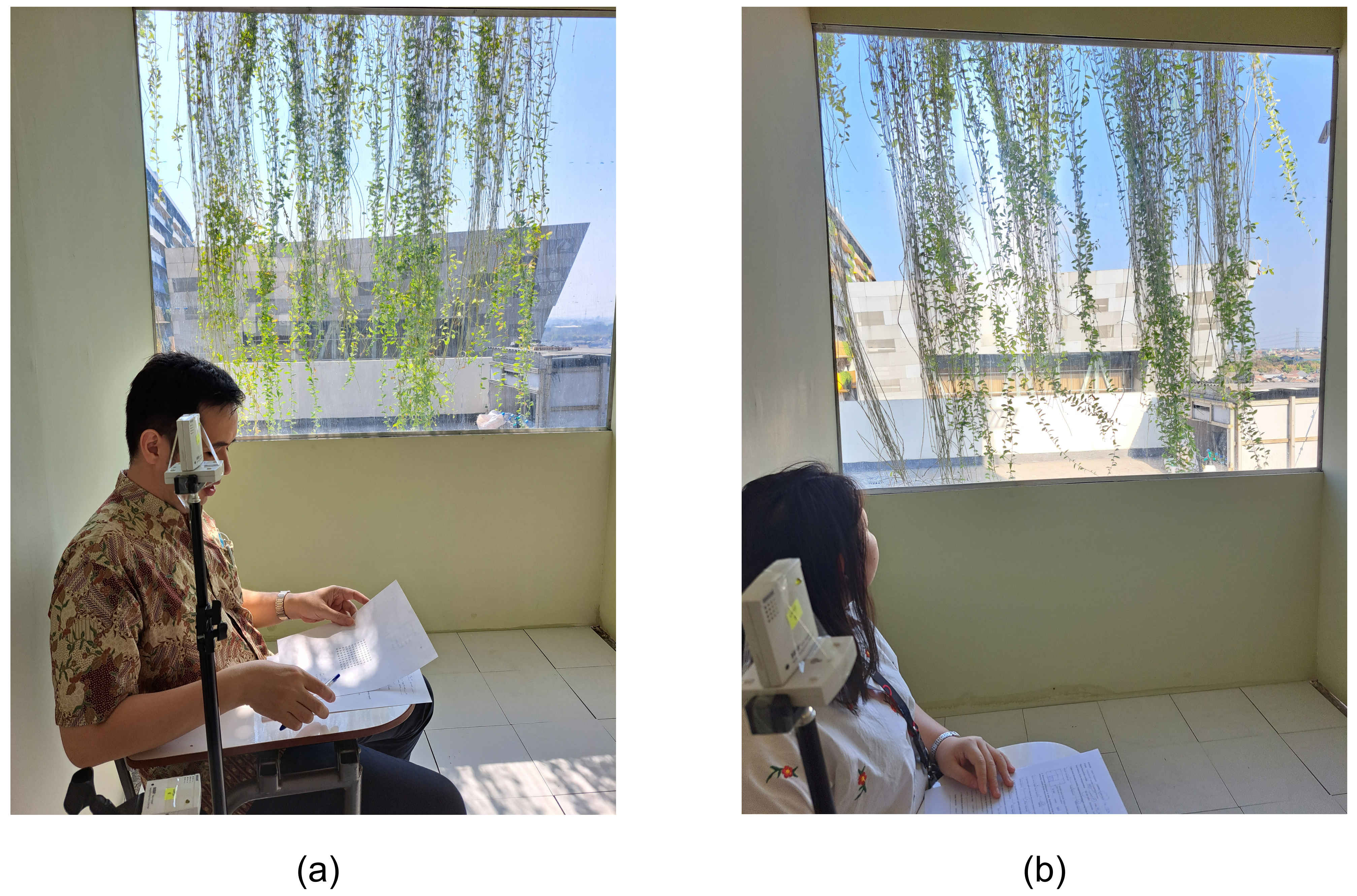
Fig. 5. Variant II LAI 1,5 beside the window. (a) = direct light. (b) = diffuse light.
In Figure 6(a), the view featuring plant variant II was perceived as beautiful to very beautiful by 75% of respondents, neutral by 22%, and not beautiful by 3% under direct lighting conditions with a window-facing orientation. Under diffuse lighting conditions with the same window-facing orientation as in Figure 6(b), the view featuring plant variant II was considered beautiful to very beautiful by 69% of respondents, neutral by 25%, and not beautiful by 6%.
Figure 6
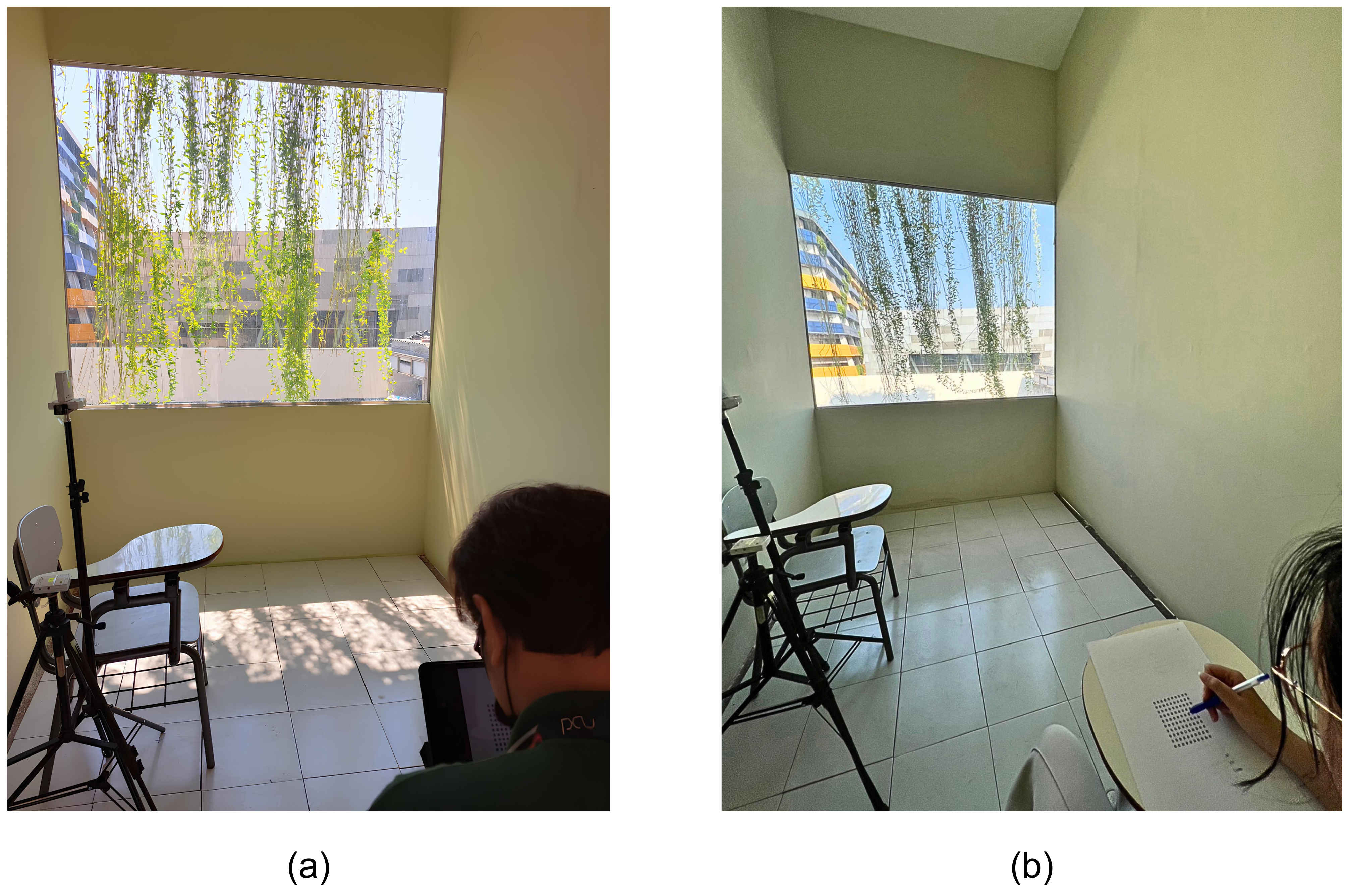
Fig. 6. Variant II LAI 1,5 facing the window. (a) = direct light. (b) = diffuse light.
The concept of Interest Value/IV measured the aesthetic appeal of a view from the user's perspective. IV of a natural scene was understood as the extent to which individuals perceived nature as attractive, engaging, and worthy of attention from both emotional and cognitive standpoints. It was stated that windows with attractive views produced a lower sensation of glare compared to unattractive windows, even when DGI values were identical [10]. Consequently, it is incorporated the components of Relative Maximum Luminance (RML) and IV into Hopkinson’s DGI formulae [47].
The modified DGI, referred to as DGI’, was expressed in Eq. (1) [10].
By this equation, the IV score for each condition was indicated in Table 5.
Table 5

Table 5. Interest value (IV) score.
4. Discussion
4.1. Illuminance vs Daylight Factor
After further examination, the increase in illuminance is attributed to indirect reflections of afternoon light from external surfaces including fences and floors surrounding the cubicle, which are transmitted through the foliage and cause the glass surfaces to appear brighter, as shown in Figure 7. Due to the diffuse nature of light (diffuse reflectance mechanism from leaf), it is not perceived as glare.
Figure 7
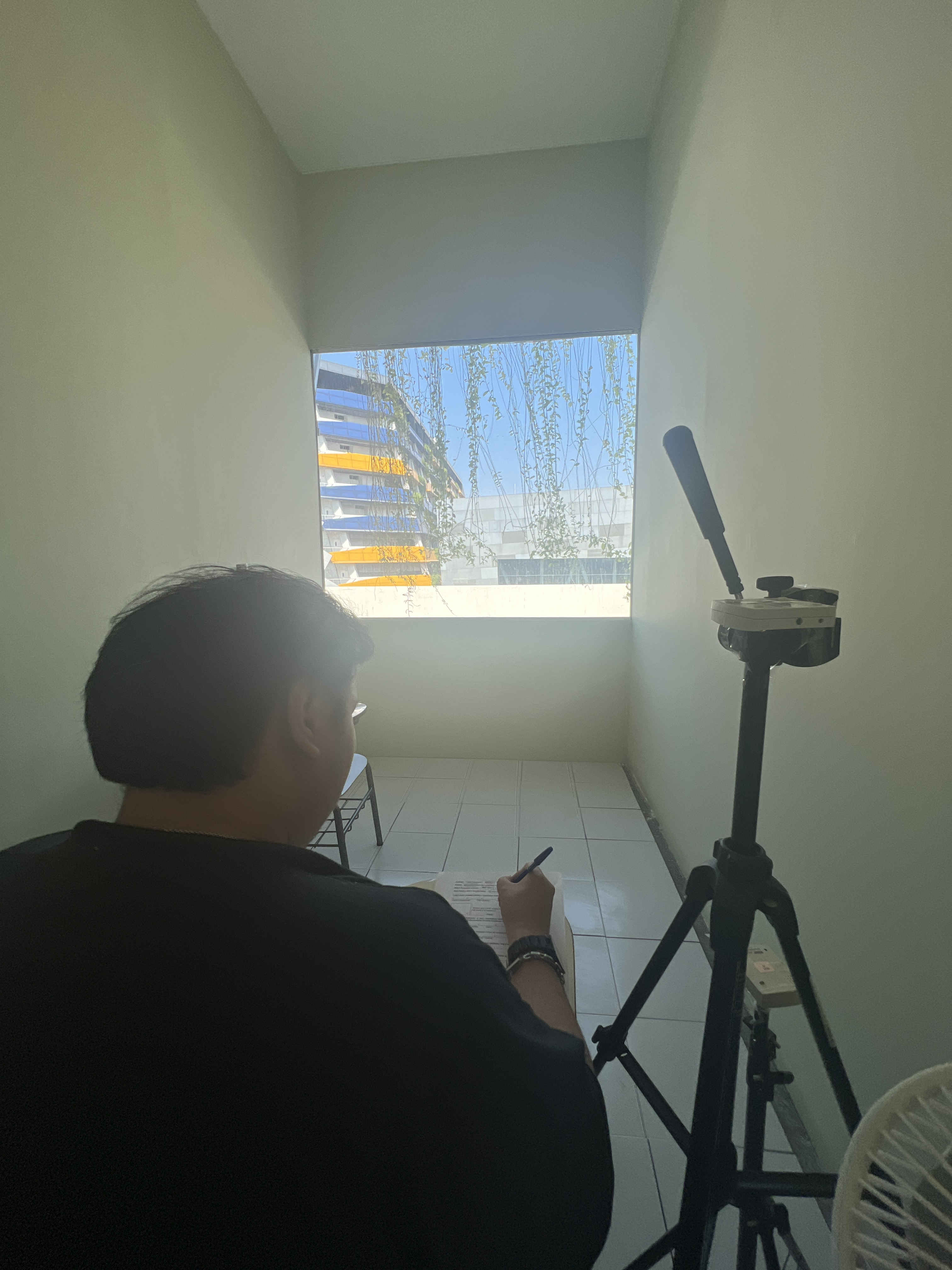
Fig. 7. Glass and leaf reflections as diffuse reflectance mechanisms.
In Variant II with LAI 1,5 featuring denser foliage, illuminance is reduced by approximately 25–30% leading to lower DF values of 12,4% (side-window) and 7,3% (window-facing), both of which were perceived by respondents as Comfort. Based on the results of the previous Experiment [25], as shown in Figure 8, Variant I with LAI 0,75 shows a shading factor of up to 10% combined with a high luminance index of 45% significantly contributing to the brightness effect in the room (DF = 10,7% for diffuse light and 9,8% for direct light). In Variant II, the resulting DF values approached the recommended standard (DF = 7,3% for diffuse light and 6,2% for direct light) with a 35% shading factor and a luminance index of 30%.
Figure 8
![(a) Luminance index and (b) Shading factor of Vernonia elliptica with different LAI [31].](https://cdn.solarlits.com/solarlits/journals/jd/legacy-manuscripts/figures/13-214-8.jpg)
Fig. 8. (a) Luminance index and (b) Shading factor of Vernonia elliptica with different LAI [31].
The elevated DF levels in Variant I also lead to a slight delay in visual task performance at the window-facing position. Under direct light conditions without vegetation, the response time was 1,7 seconds per ring C, which increased to 1,72 seconds in Variant I. Under diffuse light, the response time increased from 1,62 seconds (without vegetation) to 1,69 seconds in Variant I. However, accuracy improved in Variant I and was further enhanced in Variant II. The study affirms that increased foliage density enhances visual accuracy and performance.
4.2. Luminance vs DGI and GSV
Under direct lighting conditions, either on a side window or a window facing orientation, the denser variant with the lower luminance shows the better result in DGI and GSV. Different from that condition, leaf scattered light brought the luminance higher under diffuse lighting. The condition happens, but DGI does not directly become higher and GSV response also shows an improvement. How leaf performs can be explained by Figure 9 [49].
Figure 9
![The more leaf layers lead to enhanced diffuse light emission [49].](https://cdn.solarlits.com/solarlits/journals/jd/legacy-manuscripts/figures/13-214-9.jpg)
Fig. 9. The more leaf layers lead to enhanced diffuse light emission [49].
A study showed that there was no effect on spectral reflectance when leaf stack exceeded three or four layers [50]. A greater number of leaf layers leads to higher reflectance (up to 85%) in the near-infrared (NIR) region, but not in the visible light spectrum. This phenomenon is attributed to additive reflectance, where energy transmitted through the first (topmost) leaf layer and reflected from the second layer is partially retransmitted through the first layer. Furthermore, a greater number of leaf layers leads to more diffuse light emission, as shown in Figure 10.
Figure 10
![(a) Reflectance and transmittance from multiple leaf layers. (b) The consistent percentage of reflectance in visible light [50].](https://cdn.solarlits.com/solarlits/journals/jd/legacy-manuscripts/figures/13-214-10.jpg)
Fig. 10. (a) Reflectance and transmittance from multiple leaf layers. (b) The consistent percentage of reflectance in visible light [50].
The results show the advantage of vegetation as a shading device compared to the artificial ones that usually produce glare by light reflection from the material, especially if it’s from metal material with light color. It also answered the question asked by Lynes to Tuaycharoen about glare from diffusing screen (diffuse reflectance mechanism), which also happened in leaf layers but was not perceived as glare [10].
4.3. Perception of beauty vs interest value (IV) result
When the data from this study were compared with the results of previous research [10], variant II (with an LAI of 1,5) exhibited lower glare levels than the single-layer view, while the glare remained higher compared to the three-layer view. In terms of IV as defined [10], façade of Vernonia elliptica with LAI of 1,5 under diffuse light conditions—both in front-facing and side-facing window positions—achieved IV score of 4,72. This was slightly lower than the natural façade with one and three layers, which scored 5,36 and 5,49 points, respectively [10]. (Figures 11 and 12).
Figure 11
![Correlation of GRV and DGI of natural façade, one layer (green line) and three layers (blue line) [10].](https://cdn.solarlits.com/solarlits/journals/jd/legacy-manuscripts/figures/13-214-11.jpg)
Fig. 11. Correlation of GRV and DGI of natural façade, one layer (green line) and three layers (blue line) [10].
Figure 12
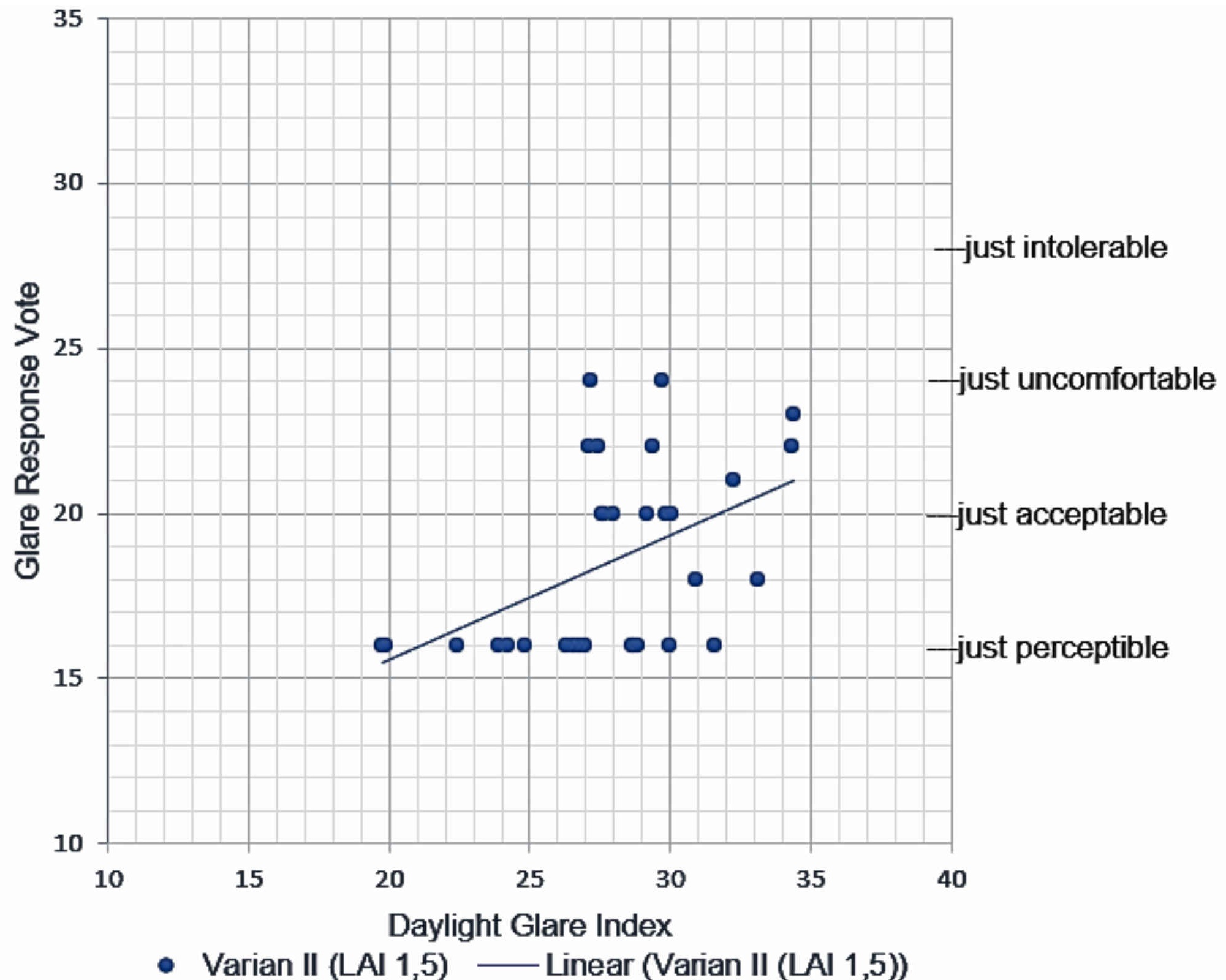
Fig. 12. Correlation of GRV and DGI of Vernonia elliptica LAI 1,5 (correlation is significant at p < 0,01 (one-tailed)).
Elements perceived by respondents as beautiful or very beautiful include the following (1) the green color that provided shade, coolness, and a sense of relaxation, (2) the hanging foliage creating a natural impression and depth of view, (3) the ability to observe outside without glare, and (4) the presence of movement preventing monotony. Elements considered neutral further are sufficient visual variation, lack of structure and uneven distribution, insufficient density, partially obstructed view, as well as unattractive form. In contrast, the elements considered not beautiful are uneven plant distribution, insufficient density and greenness. From these results, there is an increase in aesthetic response corresponding to the rise in foliage density from LAI 0,75 to LAI 1,5, attributed to the green leaves colour, the appearance of hanging foliage and its movement (Figure 13).
Figure 13
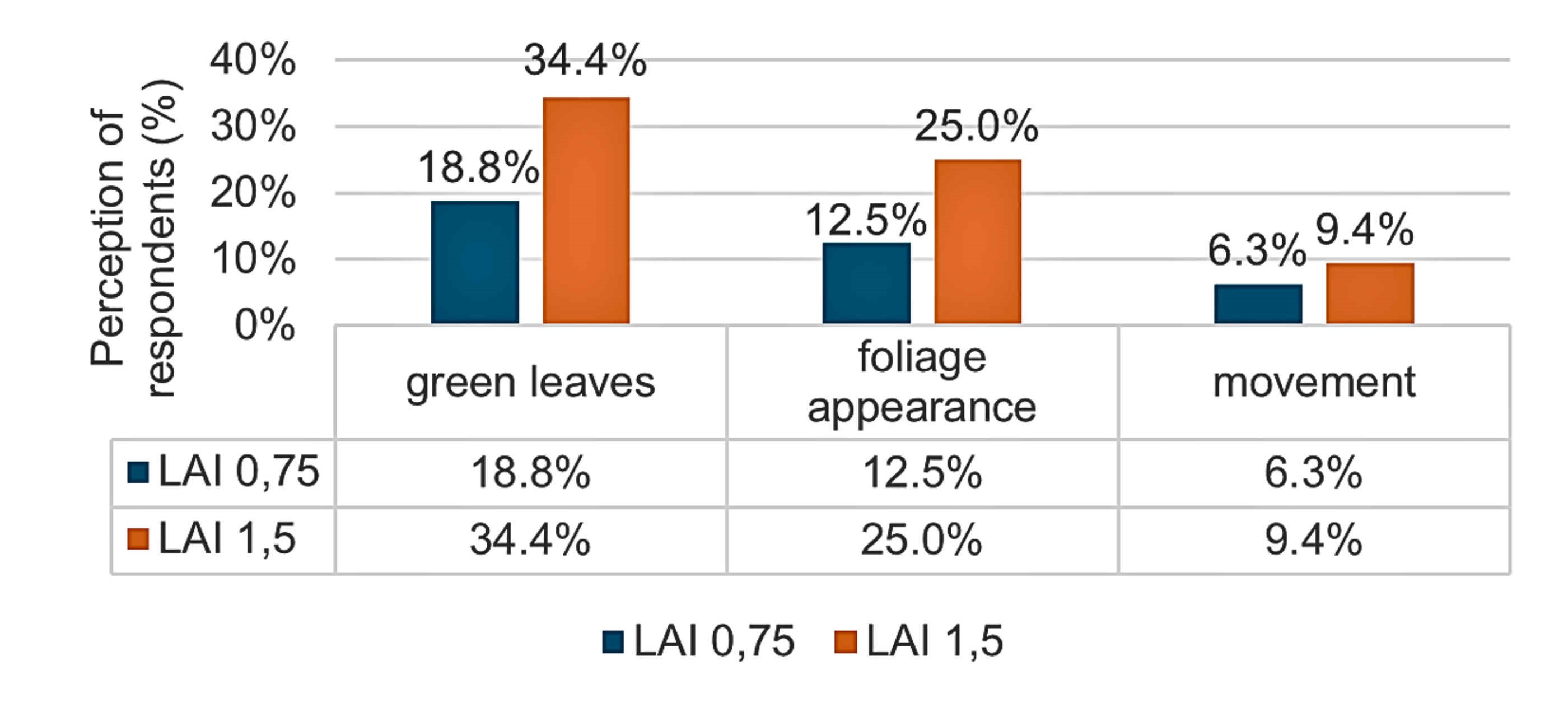
Fig. 13. Aesthetic aspects of biotic shading.
5. Validation
Landolt ring C 5/40 was used to test the speed (in seconds per ring C) and accuracy (in ) of each condition.
Based on beside the window position (Table 6), both speed and accuracy improved with increasing foliage density, under both direct and diffuse lighting conditions. In facing the window position (Table 7), the worst performance was observed under Variant I with direct light. Under direct lighting, visual performance was better either without plants or with Variant II, in which the window plane provided more uniform illumination. Variant I caused uneven lighting due to direct light penetrating through leaf clusters and reaching the observer’s eyes. Under diffuse light, the best performance was achieved with Variant II (highest speed and good accuracy). Variant I exhibited the highest accuracy with the lowest speed. This suggested that light penetration caused observers to work more slowly or more cautiously when performing visual tasks. This study affirmed that greater foliage density contributed to better visual performance.
Table 6

Table 6. Result of Landolt test of the beside the window position.
Table 7

Table 7. Result of Landolt test of the facing the window position.
6. Conclusion
In conclusion, Table 8 presented a summary of the experimental results for the vegetated façade variants (LAI 0,75 and LAI 1,5) in relation to four key visual comfort parameters namely DF, DGI, GSV, and IV.
Table 8

Table 8. Summary of light component of the experiment.
The experimental results showed that a vegetative geometry with medium density (LAI 1,5) not only reduced DGI to a moderate level but also yielded significant values for DF, GSV and IV. LAI 1,5 variant consistently produced lower DGI values compared to LAI 0,75, suggesting that medium foliage density was more effective in mitigating glare to the level of ‘just perceptible’. This was further supported by the reduction in GSV from 2,4 (just acceptable) to 1,8 (perceptible). Although DF values for LAI 1,5 ranged between 6,2% and 7,3%, which exceeded standard thresholds, they remained in the ideal range and were suitable for visual tasks requiring higher performance levels, such as detailed drawing, typically recommended at 5–8%. This showed that medium foliage density did not compromise the adequacy of natural lighting.
Therefore, the results suggested that the vegetated façade variant with medium density (LAI 1,5) offered an optimal balance among three aspects of visual comfort, namely glare control, sufficient natural illumination, and pleasant view quality. The findings further outlined that plant geometry was strategically designed to achieve ideal visual conditions in multi-story tropical workspaces. This also confirmed the advantage of vegetated façades as glare mitigation elements, where foliage density was adjusted according to lighting needs, while simultaneously providing interest value /IV through the green color and cascading form of leaf—qualities not attainable with artificial glare control devices. Later research will be needed to investigate how the quality of leaves green color perceived by human eye as relaxing in visual as well as psychological well-being.
Funding
This work was supported by doctoral research funding by Petra Christian University (Grant No. 01: 8 January 2020).
Acknowledgement
The author would like to thank the Department of Architecture Petra Christian University and Institut Teknologi Sepuluh Nopember for the opportunity to do this doctoral research. Our gratitude is to those who also have helped in the research activities from beginning to the end.
Author Contributions
Conceptualization, L.K., S.N.N.E. and A.D.; Writing—Original Draft, Methodology, Writing—review and editing, L.K., S.N.N.E. and A.D.; Visualization, Validation, Data curation, and Resources, L.K.; Supervision, S.N.N.E. and A.D.; Funding acquisition, Project Administration, L.K. All authors have read and agreed to the published version of the manuscript.
Declaration of competing interest
The authors declare no conflict of interest.
References
- R. Rahim, Baharuddin, R. Mulyadi, Classification of daylight and radiation data into three sky conditions by cloud ratio and sunshine duration, Energy and Buildings, 36 (2004) 660-666. https://doi.org/10.1016/j.enbuild.2004.01.012
- R. Rahim, R. Mulyadi, Preliminary Study of Horizontal Illuminance in Indonesia, in: 5th SENVAR, Universiti Teknologi Malaysia, Skudai, Johor, Malaysia, 10-12 December 2004, pp.1-10.
- A. A. Nazzal, A new daylight glare evaluation method, Journal of Light and Visual Environment, 24:2 (2001) 19-27. https://doi.org/10.2150/jlve.24.2_19
- A. Dinapradipta, Office Building Facades for Functionality and Adaptability in Humid Tropical Cities: Multi-case Studies of Office Buildings in Jakarta-Indonesia, Ph.D. Dissertation: Technische Universiteit Eindhoven University of Technology, Netherland, 2015, pp. 46.
- H. Mahdavi, S. P. Rao, N. Inangda, Parametric studies on window-to-wall ratio for daylighting optimization in high-rise office buildings in Kuala Lumpur, Malaysia, Journal of Design and Built Environment, 12 (2013) 1-8.
- Y. W. Lim, M. Z. Kandar, M. H. Ahmad, D. R. Ossen, A. M. Abdullah, Building façade design for daylighting quality in a typical government office building, Building and Environment, 57 (2012) 194-204. https://doi.org/10.1016/j.buildenv.2012.04.015
- Y. W. Lim, M. H. Ahmad, D. R. Ossen, Internal shading for efficient tropical daylighting in Malaysian contemporary high-rise open plan office, Indoor and Built Environment, 22:6 (2013) 932-951. https://doi.org/10.1177/1420326X12463024
- W. Kim, J. T. Kim, A prediction method to identify the glare source in a window with a non-uniform luminance distribution, Energy and Buildings, 46 (2012) 132-138. https://doi.org/10.1016/j.enbuild.2011.10.037
- J. Y. Shin, G. Y. Yun, J. T. Kim, View types and luminance effects on discomfort glare assessment from windows, Energy and Buildings, 46 (2012) 139-145. https://doi.org/10.1016/j.enbuild.2011.10.036
- N. Tuaycharoen, P. R. Tregenza, View and discomfort glare from windows, Lighting Research and Technology, 39 (2007) 185-200. https://doi.org/10.1177/1365782807077193
- M. C. Dubois, Impact of Solar Shading Devices on Daylight Quality: Simulations with Radiance, Research Report: Lund University, Sweden, 2001, pp. 80.
- Chartered Institution of Building Services Engineers, Environmental Design: CIBSE Guide A, CIBSE, London, UK, 1999, pp.1-23.
- Badan Standardisasi Nasional, SNI 6197:2020 Konservasi Energi pada Sistem Pencahayaan, Indonesia, 2020, pp. 5.
- C. E. Ochoa, M. B. C. Aries, E. J. Loenen, J. L. M. Hensen, Considerations on design optimization criteria for windows providing low energy consumption and high visual comfort, Applied Energy, 95 (2012) 238-245. https://doi.org/10.1016/j.apenergy.2012.02.042
- A. Piccolo, A. Pennisi, F. Simone, Daylighting performance of an electrochromic window in a small-scale test cell, Solar Energy, 83 (2009) 832-844. https://doi.org/10.1016/j.solener.2008.11.013
- A. Jamrozik et al., Access to daylight and view in an office improves cognitive performance and satisfaction and reduces eyestrain: A controlled crossover study, Building and Environment, 165 (2019) 106379,1-13. https://doi.org/10.1016/j.buildenv.2019.106379
- A. Piccolo, F. Simone, Effect of switchable glazing on discomfort glare from windows, Building and Environment, 44 (2009) 1171-1180. https://doi.org/10.1016/j.buildenv.2008.08.013
- A. G. Mainini, T. Poli, M. Zinzi, A. Speroni, Spectral light transmission measure of metal screens for glass façades and assessment of their shading potential, Energy Procedia, 48 (2014) 1292-1301. https://doi.org/10.1016/j.egypro.2014.02.146
- J. M. Blanco, A. Buruaga, E. Rojí, J. Cuadrado, B. Pelaz, Energy assessment and optimization of perforated metal sheet double skin façades through Design Builder: A case study in Spain, Energy and Buildings, 111 (2016) 326-336. https://doi.org/10.1016/j.enbuild.2015.11.053
- A. H. Primanti et al., Sensitivity analysis on daylighting, visual comfort, and energy consumption of automated venetian blinds for open-plan offices in tropical climate, Advances in Engineering Research, 192 (2019) 48-52.
- R.U. Gutiérrez, J. Du, N. Ferreira, A. Ferrero, S. Sharples, Daylight control and performance in office buildings using a novel ceramic louver system, Building and Environment, 151 (2019) 54-74. https://doi.org/10.1016/j.buildenv.2019.01.030
- L. Kristanto, W. W. Canadarma, S. M. Oentoro, B. M. Wayne, Shading performance of plant and perforated metal in the thermal, light and building occupant's perception, IOP Conference Series: Earth and Environmental Science, 1301:1 (2024) 012013, 1-14. https://doi.org/10.1088/1755-1315/1301/1/012013
- L. Kristanto, S. M. Oentoro, Perception of visual and thermal comfort in working area, Lakar: Jurnal Arsitektur, 7:1 (2024) 53-69. https://doi.org/10.30998/lja.v7i1.21484
- S. R. Kellert, J. H. Heerwagen, M. L. Mador, Biophilic Design, John Wiley & Sons: N.J., USA, 2008, pp. 107-116.
- N. Hähn, E. Essah, T. Blanusa, Biophilic design and office planting: a case study of effects on perceived health, well-being, and performance metrics in the workplace, Intelligent Buildings International, 13:4 (2021) 241-260. https://doi.org/10.1080/17508975.2020.1732859
- V. Gerfy, A. Devaryo, M. Fillindo, Factors associated with eyestrain complaints in corporate customer care center computer users, International Journal on Health and Medical Sciences, 1:1 (2022) 38-45.
- L. Kristanto, S. N. N. Ekasiwi, A. Dinapradipta, Implementing vertical greenery on office facade opening to improve indoor light quality, Dimensi Journal of Architecture and Built Environment, 49:1 (2022) 43-52. https://doi.org/10.9744/dimensi.49.1.43-52
- G. Pérez, J. Coma, I. Martorell, L. F. Cabeza, Vertical greenery systems for energy saving in buildings: A review, Renewable and Sustainable Energy Reviews, 39 (2014) 139-165. https://doi.org/10.1016/j.rser.2014.07.055
- N. H. Wong, A. Y. K. Tan, Y. Chen, K. Sekar, P. Y. Tan, D. Chan, K. Chiang, N. C. Wong, Thermal evaluation of vertical greenery systems for building walls, Building and Environment, 45 (2010) 663-672. https://doi.org/10.1016/j.buildenv.2009.08.005
- G. Pérez, J. Coma, M. Cháfer, L.F. Cabeza, Seasonal influence of leaf area index (LAI) on the energy performance of a green facade, Building and Environment, 207 (2022) 108497, 1-18. https://doi.org/10.1016/j.buildenv.2021.108497
- L. Kristanto, S. N. N. Ekasiwi, A. Dinapradipta, Assessing the light performance of vertical greenery shading in a tropical climate, Environmental Research Communications, 6:3 (2024) 035011, 1-14. https://doi.org/10.1088/2515-7620/ad277b
- National Parks Board, Bringing Greenery Skywards, Singapore, 2023, 37.
- Munsell Color Firm, Munsell Plant Tissue Color Book M50150B, Munsell Color Company : Grand Rapids Michigan, USA, 2012.
- J. W. Creswell, Research Design: Qualitative, Quantitative, and Mixed Methods Approaches, 4th ed., Sage Publications: Thousand Oaks, CA, USA, 2014, pp. 215-216.
- F. N. Kerlinger, H. B. Lee, Foundations of Behavioral Research, 4th ed., Harcourt College Publishers: Holt, NY, USA, 2000, pp. 265-272.
- W. Osterhaus, CIE, Report x015-1998: Brightness as A Simple Indicator for Discomfort Glare from Large Area Sources, in: Tagungsband First International CIE Symposium on Lighting Quality, Ottawa, Canada, 9-11 May 1998, pp.113-124.
- M. Tokura, T. Iwata, M. Shukuya, Experimental study on discomfort glare caused by windows Part 3: Development of a method for evaluating discomfort glare from a large light source, Journal of Architecture and Planning (Transactions of AIJ), 61 (1996) 17-25. https://doi.org/10.3130/aija.61.17_8
- L. N. Muhammad, Guidelines for repeated measures statistical analysis approaches with basic science research considerations, J. Clin. Invest., 133:11 (2023) e171058, 1-3. https://doi.org/10.1172/JCI171058
- CEN European Committee of Norms, Europäische Norm Sehschärfenprüfung EN ISO 8596, Beuth-Publisher: Berlin, Germany, 2018, pp. 2-5.
- L. Kristanto, G. Tanuwidjaja, J. Antonio, L.M.C. Lie, M. Sebastian, T. Chany, Elderly visual task performance by differences on reading media and lamp position in a room, DIMENSI - Journal of Architecture and Built Environment, 45:1 (2018) 19-24. https://doi.org/10.9744/dimensi.45.1.19-24
- T. Iwata, M. Tokura, M. Shukuya, K. Kimura, Experimental study on discomfort glare caused by windows Part 2: Subjective response to glare from actual windows, Journal of Architecture and Planning, Environmental Engineering, AIJ, 439 (1992) 19-31. https://doi.org/10.3130/aijax.439.0_19
- P.R. Boyce, C. Hunter, O. Howlett, The Benefits of Daylight Through Windows, Lighting Research Center, Rensselaer Polytechnic Institute, Troy: New York, USA, 2003, pp. 8-35.
- R.S. Ulrich, View through a window may influence recovery from surgery, Science, 224:4647 (1984) 420-421. https://doi.org/10.1126/science.6143402
- R. Kaplan, S. Kaplan, The Experience of Nature: A Psychological Perspective, Cambridge University Press: New York, USA, 1989, pp. 31-38, 175-198.
- S. Kaplan, The restorative benefits of nature toward an integrative framework, Journal of Environmental Psychology, 15 (1995) 169-182. https://doi.org/10.1016/0272-4944(95)90001-2
- B.S. Matusiak, C.A. Klöckner, How we evaluate the view out through the window, Architectural Science Review, 59:3 (2016) 203-211. https://doi.org/10.1080/00038628.2015.1032879
- R. G. Hopkinson, Glare from daylighting in buildings, Applied Ergonomics, 34 (1972) 206-215. https://doi.org/10.1016/0003-6870(72)90102-0
- S. Carlucci, F. Causone, F. D. Rosa, L. Pagliano, A review of indices for assessing visual comfort with a view to their use in optimization processes to support building integrated design, Renewable and Sustainable Energy Reviews, 47 (2015) 1016-1033. https://doi.org/10.1016/j.rser.2015.03.062
- S. Jacquemoud, S. L. Ustin, Modeling Leaf Optical Properties, 2008, pp. 17. Retrieved from: http://photobiology.info/Jacq_Ustin.html (June 2021).
- P. S. Roy, Spectral reflectance characteristics of vegetation and their use in estimating productive potential, Plant Sciences, 99 (1989) 59-81. https://doi.org/10.1007/BF03053419
2383-8701/© 2026 The Author(s). Published by solarlits.com. This is an open access article distributed under the terms and conditions of the Creative Commons Attribution 4.0 License.